
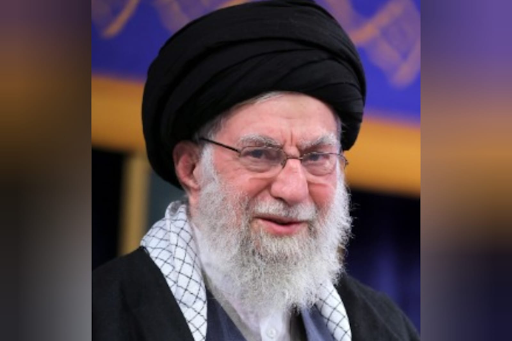
With the death of Iran’s Supreme Leader, the country stands at a genuine fork in the road — perhaps the most consequential one since the 1979 revolution. The various possible futures that now open up span from regime collapse to hardline consolidation, with a range of transformative possibilities in between. What happens next will depend on decisions made in the coming days and weeks by a small number of powerful people in Tehran.
The most likely near-term scenario, according to analysts, is continuity with consolidation. The IRGC maintains control, a new Supreme Leader is selected from within the existing establishment, and Iran continues the current conflict while managing the succession. The Islamic Republic survives, albeit in a transformed form in which military power eclipses clerical authority.
A second scenario involves a negotiated transition toward a less confrontational posture. If new leadership concludes that the cost of continued war and isolation outweighs the benefits of maintaining the current posture, there may be space for a negotiated ceasefire and even broader engagement with the West. This would require significant concessions but could offer Iran an economic lifeline.
A third scenario — regime fragmentation — cannot be entirely dismissed, though analysts consider it less probable in the immediate term. If the succession process produces genuine conflict between competing factions, if the IRGC splits along internal fault lines, or if domestic unrest reaches a scale that overwhelms the security apparatus, the system could begin to break down in ways that are difficult to predict or control.
Each of these futures would produce a fundamentally different Middle East. The choices made in Tehran in the coming days — about succession, about the war, about nuclear policy, and about domestic governance — will reverberate for decades. The world is watching a pivotal moment in the history of one of the region’s most consequential states.