
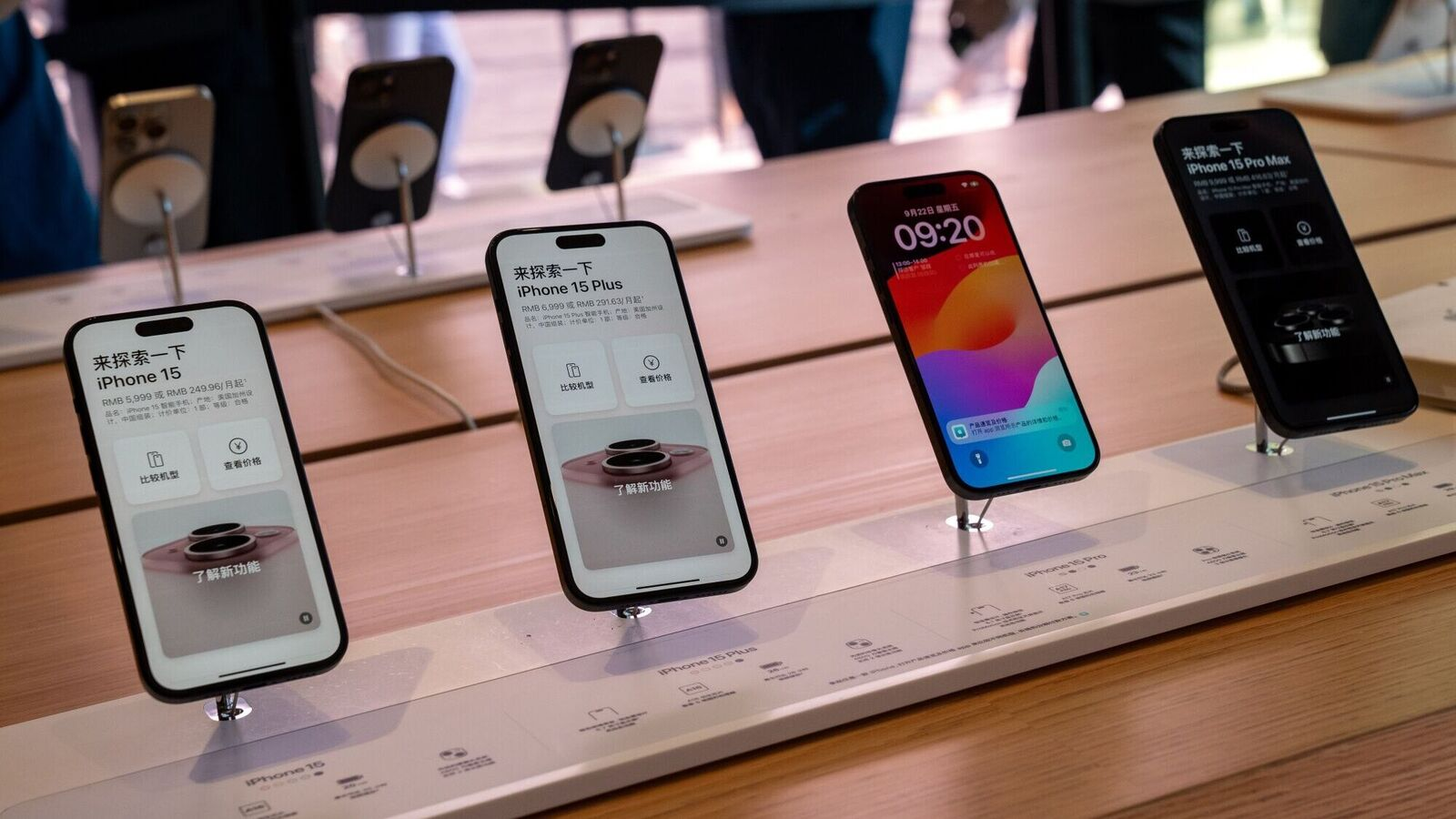
Manufacturing operations will face unprecedented complexity managing concurrent production of seven distinct iPhone models, each with its own component specifications, assembly processes, and quality control requirements. This operational challenge necessitates sophisticated process management and coordination.
Assembly line configurations must accommodate different product architectures, from traditional rigid devices to the mechanically complex foldable model. Manufacturing facilities may need to establish specialized production zones for products requiring unique assembly capabilities.
Quality assurance protocols must adapt to varying specifications across models while maintaining consistently high standards. Test equipment, inspection procedures, and validation processes multiply when ensuring seven different products meet exacting quality requirements.
Workforce training becomes more involved when employees must understand multiple product lines, particularly for the foldable device that requires specialized handling during assembly. Production efficiency initially suffers as workers familiarize themselves with new processes.
Production scheduling and capacity allocation require careful optimization to ensure sufficient volume of each model without overproducing slower-selling variants. Demand forecasting becomes more challenging but also more critical with a diversified product portfolio.