
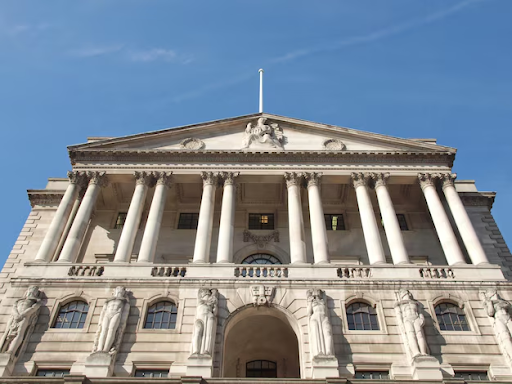
The Bank of England has maintained interest rates at 3.75%, with the decision reflecting not only domestic economic conditions but also global uncertainties affecting the UK outlook. These international factors are influencing policymakers’ assessment of appropriate monetary policy.
The monetary policy committee’s 5-4 vote to hold rates incorporated consideration of global economic developments that could impact the UK. While the meeting minutes and statements focus primarily on domestic data, policymakers are aware that international factors including trade tensions, global growth trends, and financial market conditions affect the UK economy.
Governor Andrew Bailey emphasized the domestic inflation outlook, projecting it will fall to around 2% by spring. However, global factors influence this forecast through channels like import prices, exchange rates, and international demand for UK exports. The committee must balance domestic considerations against these global influences.
The downgrade to the growth forecast, from 1.2% to 0.9%, partly reflects concerns about weaker global economic momentum affecting UK exports and business investment. Similarly, the unemployment projection rising to 5.3% incorporates potential impacts of slower global growth on UK employment, particularly in export-oriented sectors.
Chancellor Rachel Reeves’s budget measures, including utility bill cuts and rail fare freezes from April, are domestic policy interventions that help offset some global headwinds. The Bank forecasts these will drive inflation down to 2.1% by mid-2026, compared to 3.4% in December. However, the close 5-4 vote suggests committee members weigh global uncertainties differently, with some seeing them as reasons for caution about cutting rates while others view weak global growth as strengthening the case for monetary stimulus.