
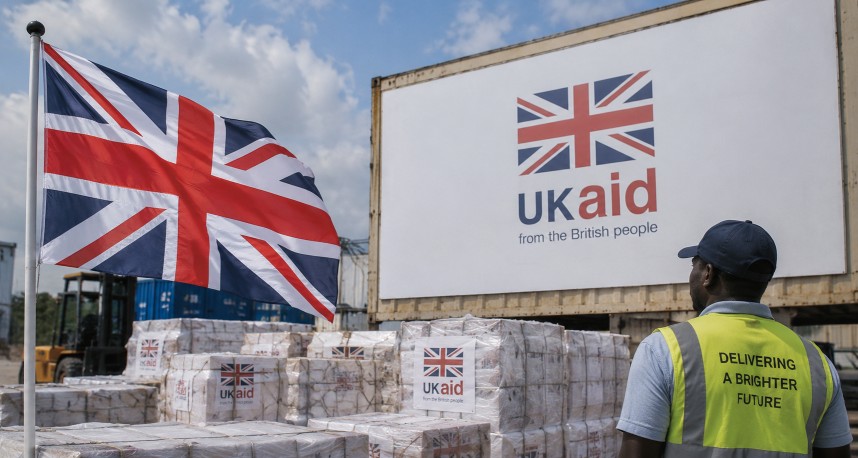
The United Kingdom is planning substantial reductions in its bilateral foreign aid to several African countries over the coming years, as part of a broader reallocation of its development spending strategy. This shift will see countries like Mozambique and Malawi experiencing cuts of up to 90% in their aid allocations by 2029. Similarly, Rwanda and Sierra Leone are expected to witness an 80% decrease in aid, while Somalia might face a reduction nearing 50%.
Officials in the UK government argue that these cuts are aligned with a strategic move to channel more funding through multilateral entities such as the World Bank. They believe that this adjustment will enhance the efficacy of development aid and concurrently support the country’s increasing defense expenditure. This decision underscores the UK’s intent to recalibrate its foreign aid policy to support international partnerships and concentrate resources where they can yield significant impact.
This policy shift has attracted criticism from aid organizations, which express concerns about the potential repercussions on humanitarian initiatives, poverty alleviation, and support for communities grappling with conflict, climate change, and health crises. Critics argue that reducing direct financial assistance could jeopardize well-established development partnerships across the African continent, potentially hindering progress in various critical areas.
Nevertheless, UK government officials insist that the country remains dedicated to tackling global issues by fostering modernized international collaborations. They emphasize that the new approach is focused on directing resources effectively to address significant challenges worldwide. The revamped aid distribution plan coincides with the UK’s ambition to assume a more prominent role in global economic cooperation, sparking renewed discussions about the future trajectory of its overseas development policy.