
The violence of the Iran-Israel conflict extended far beyond its primary theater over the weekend, with Israeli strikes killing four people in a Beirut hotel blast and 12 more in southern Lebanon, while fighting continued in Gaza and the occupied West Bank — all as global oil prices surged past $100 per barrel.
Lebanese health authorities reported at least 394 people killed in the conflict, with around 300,000 displaced from their homes. In the occupied West Bank, three Palestinians were killed by settlers, while an Israeli airstrike killed at least two people in Gaza City, the deadliest incident in the territory since the conflict’s opening week.
In the Gulf, Iranian drone and missile strikes targeted Saudi Arabia, the UAE, Qatar, Bahrain, and Kuwait. Saudi forces intercepted 15 drones, Bahrain’s desalination plant was hit, and two civilians died in Saudi Arabia. A US service member succumbed to wounds from an Iranian attack, the seventh American death of the conflict.
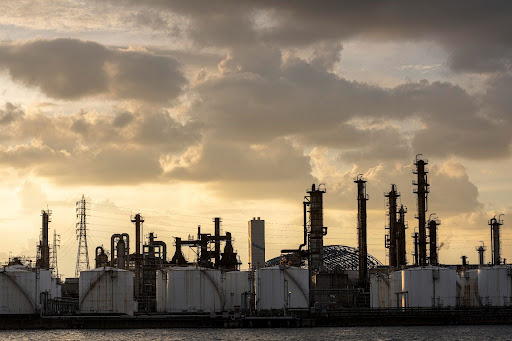
Israeli strikes on oil storage facilities near Tehran had triggered Iran’s expanded campaign, killing four workers and leaving the capital blanketed in black smoke. Iran’s Revolutionary Guards threatened to push global oil to $200 per barrel if the attacks continued, a warning that helped drive crude above $100 on international markets.
Iran’s clerical body appointed Mojtaba Khamenei as supreme leader amid the fighting, adding political upheaval to the military chaos. The new leader inherited a nation fighting on multiple fronts, with internal divisions between civilian and military leadership that had already been publicly exposed when the president’s pledge to stop Gulf strikes was ignored by the armed forces.