
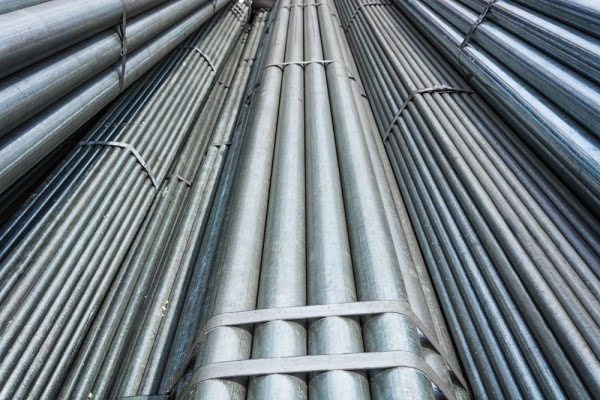
The UK is preparing to confront the European Union over its plans to significantly cut tariff-free steel imports, a move that could have a profound impact on British steel producers and trade relations. Business Secretary Peter Kyle is set to address these concerns with EU Trade Commissioner Maroš Šefčovič during upcoming discussions in Brussels, as the date for the new steel safeguard measures looms, scheduled to take effect on July 1.
The EU’s proposed policy aims to nearly halve the volume of tariff-free steel imports from non-EU countries relative to 2024 figures. This has sparked warnings from British steel manufacturers about the potential adverse effects on their exports to Europe. Concurrently, the UK is implementing its own steel import quota system post-Brexit, which has raised alarms among European steelmakers about potentially diminished access to the British market. Stakeholders from both regions have expressed concerns that these new import restrictions could destabilize well-established supply chains.
These measures are designed to protect domestic steel industries from rising competition, notably from Chinese producers. However, industry insiders caution that the stricter quotas might inadvertently impose economic burdens on both the UK and the EU without effectively tackling larger global market issues. There is also anxiety that reduced trade between the UK and EU might hinder cooperation efforts, particularly as both regions strive to bolster their manufacturing capabilities and address the challenges of unfair competition.
Despite the tensions, there is a willingness among British and European industry groups to support a diplomatic resolution. The aim is to maintain strong trade connections and secure preferential terms for steel trade between the UK and the EU, considering their deeply interconnected markets. As discussions progress, both sides are hopeful for a compromise that safeguards their economic interests while fostering a collaborative approach to shared industry challenges.