
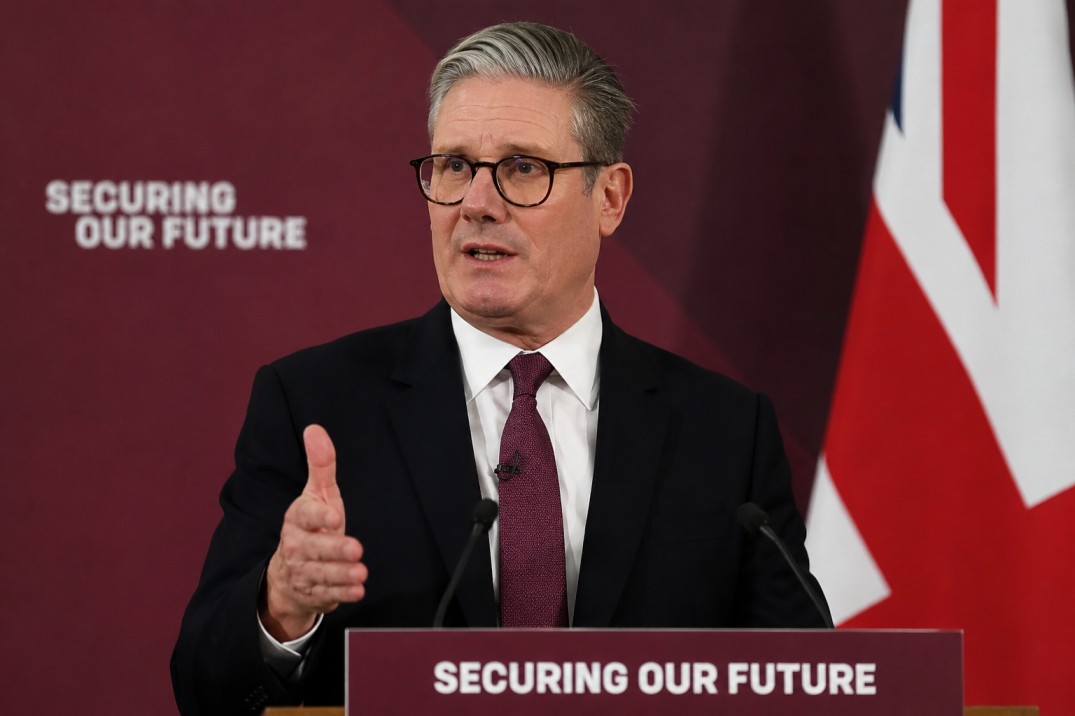
In a significant policy shift, UK Prime Minister Keir Starmer has unveiled plans to substantially boost the nation’s defense budget, with nearly £300 billion earmarked for the next four years. This strategic investment focuses on modernizing the British armed forces and bolstering national security amid a landscape of evolving global threats. The ambitious 10-year Defense Investment Plan features an additional £15 billion in funding, underscoring the government’s stance that defense spending is intricately connected to economic security.
A central component of this plan is the allocation of over £5 billion for the development of drones and autonomous military systems within the upcoming four years. This targeted investment seeks to enhance the UK’s military capabilities, ensuring the forces are well-prepared to address future conflicts effectively. The decision to escalate defense spending aligns with broader calls within NATO for member countries to increase their military budgets and lessen their reliance on US security support, a move driven by escalating international tensions.
The announcement of this expanded defense budget comes amidst a backdrop of internal debates within the Labour government regarding the allocation of resources towards military modernization. Government officials have faced the challenge of balancing the need for increased defense investment with other pressing governmental priorities. These internal discussions reflect the complex dynamics of reconciling national security imperatives with broader fiscal responsibilities.
As the UK navigates these strategic decisions, the announcement highlights the ongoing need to adapt to shifting security landscapes. With global threats becoming more diverse, the emphasis on technological advancements in military systems positions the UK to maintain its defensive edge. The government’s commitment to this robust defense plan signifies an understanding of the nuanced relationship between military readiness and economic stability.