
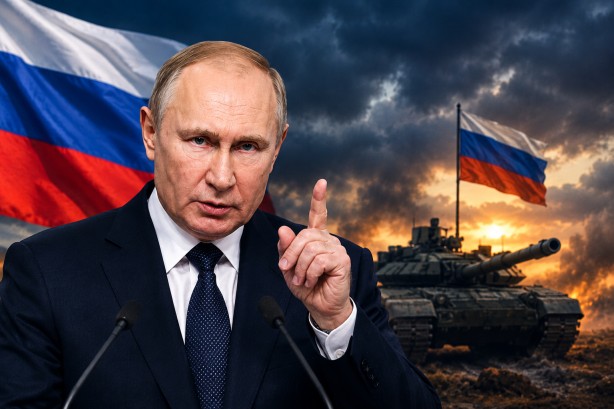
The ongoing conflict in Ukraine has taken another turn as Russia issued a warning to the United Kingdom over its military support for Kyiv. This warning includes the possibility of targeting military sites both within Ukraine and beyond its borders. The tension escalated after reports emerged suggesting that the UK is planning to equip Ukraine with classified technology to aid in the domestic production of Storm Shadow long-range cruise missiles. Russia criticized both Britain and France, accusing them of recklessly endangering themselves through their support for Ukraine.
The strained relations between Russia and the West have been further complicated by recent reports of CIA Director John Ratcliffe’s visit to Moscow. During his visit, Ratcliffe is said to have cautioned Russian officials against any military actions that might threaten NATO territories. U.S. intelligence agencies have expressed concerns over the possibility of Russia testing NATO’s resolve through limited military maneuvers, cyberattacks, or other hybrid warfare tactics. Despite these concerns, the Kremlin has dismissed any allegations of planning an attack on a NATO member, labeling such claims as inaccurate.
As tensions continue to mount, European nations have become increasingly wary of Russia’s intentions. There has been a noticeable increase in alleged cyberattacks, drone incidents, and other forms of hybrid activities attributed to Russia, raising alarms across Europe. In response, NATO countries that share borders with Russia have been bolstering their military readiness to counter any potential threats.
These developments highlight the growing friction between Russia and Western nations as the conflict in Ukraine drags on. The situation underscores the delicate balance of power and the potential for escalation in an already volatile region. Both sides appear to be on high alert, with Western countries remaining vigilant against any signs of aggression that may spill over into broader regional conflicts.