
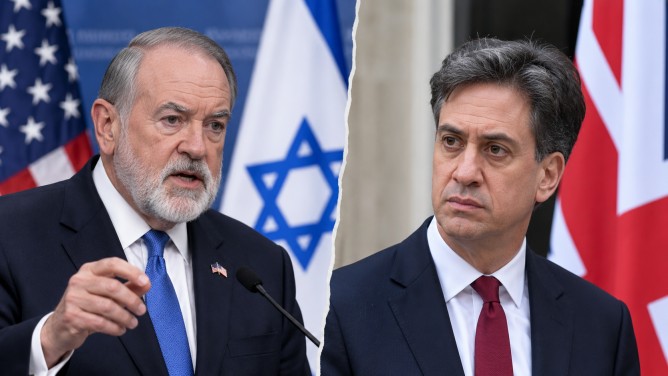
The ongoing humanitarian situation in Gaza has sparked a new controversy between the United States and the United Kingdom, following remarks by UK Foreign Secretary Ed Miliband. Miliband expressed serious concerns over reports that essential medical supplies and humanitarian aid are being obstructed from reaching the region. He highlighted the dire conditions described by aid workers in Gaza, including instances where children reportedly died while awaiting critical medical treatment. In response, US Ambassador to Israel Mike Huckabee has sharply criticized Miliband, accusing him of “Jew hate” and rejecting the claims as baseless accusations against Israel.
Huckabee’s comments are echoed by Israel’s Foreign Ministry, which has firmly denied any restrictions on the entry of medicines into Gaza. Israeli officials have accused Miliband of perpetuating false narratives. Despite these denials, numerous humanitarian organizations have consistently reported challenges in delivering necessary supplies to the region. Aid groups have pointed out persistent shortages of medical supplies and have raised alarms about the restrictions that hinder the operation of hospitals in Gaza.
This diplomatic friction surfaces shortly after Miliband announced that the UK would be undertaking a “comprehensive reset” of its policy toward Israel, particularly in light of anticipated actions concerning Israeli settlements in the occupied West Bank. Historically, the British government has voiced criticism over Israel’s limitations on humanitarian aid to Gaza and has advocated for easing access to essential resources.
The latest disagreement underscores the increasing tensions between Britain and Israel regarding the humanitarian crisis in Gaza. Within the UK, policymakers are engaged in discussions about the extent to which their stance on Israel should shift, balancing the need to address humanitarian concerns without jeopardizing significant security and intelligence collaborations with Israel.