
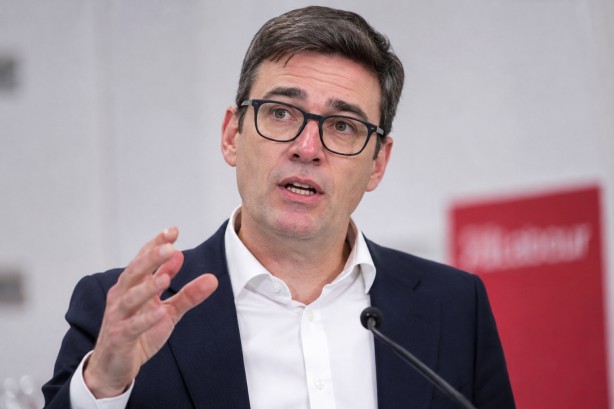
As Andy Burnham stands on the brink of becoming the United Kingdom’s next prime minister on Monday, he has set forth a resolve to mend the internal rifts within the Labour Party. Following his confirmation as the Labour leader, Burnham committed to forging a cohesive government aimed at addressing pressing national issues, such as social care, housing, and the soaring cost of living. He characterized this transition as a pivotal juncture in British politics and referred to it as Labour’s “last chance” to enact substantial change.
In outlining his agenda, Burnham has proposed to expand public ownership, enhance the availability of council housing, and revamp social care, all while maintaining a pro-business stance within his administration. Despite these plans, there is ongoing speculation about the composition of his cabinet, particularly concerning the chancellor’s role. Shabana Mahmood is currently seen as the frontrunner, surpassing former party leader Ed Miliband, a choice that has ignited discussion within the party ranks.
As he prepares to announce his cabinet appointments upon taking office, Burnham has signaled a clear focus on domestic issues and regional development across the UK. His emphasis on prioritizing internal matters reflects his intent to address the economic and social hurdles facing the nation today.
Moreover, Burnham has underscored the necessity of party unity, asserting that Labour must steer clear of factional disputes to effectively confront the country’s challenges. His leadership comes at a time when fostering cohesion within the party is seen as essential to achieving the transformative goals he has outlined.